The Versatile Uses of Stubborn Grass
Stubborn grass, often referred to as resilient or invasive grass species, can be a challenge for gardeners and landscapers. But while these grasses are typically seen as nuisances, they possess a surprising array of practical and beneficial uses. From erosion control to natural remedies, stubborn grasses can be repurposed in ways that benefit both the environment and everyday life. Here’s a look at the versatile uses of stubborn grass and how to transform a yard invader into a valuable resource.
1. Erosion Control
Stubborn grasses are often excellent for erosion control due to their strong, dense root systems. Grass species like Bermuda grass and crabgrass, though challenging to manage, can stabilize soil on slopes and hillsides. By planting these grasses in areas prone to erosion, you can prevent soil loss and protect against runoff. This is particularly useful for farmers and landscapers working in areas with loose or sandy soil, as these grasses hold soil in place even under heavy rainfall.
2. Livestock Feed
Many types of stubborn grass, such as Bermuda and Johnson grass, are highly nutritious for livestock and can be used as an alternative feed source. Although these grasses are typically not planted intentionally, they are resilient and rich in nutrients. They can be harvested, dried, and fed to cattle, sheep, and goats, providing a cost-effective source of food. For farmers looking to reduce feeding costs, letting certain grasses grow on unused pasture land can be a sustainable solution.
3. Green Mulch for Gardens
If you’re dealing with a lawn overrun by stubborn grass, turn that problem into an advantage by using the grass as green mulch. Cut the grass down and layer it around garden plants or trees. This natural mulch suppresses weeds, retains moisture, and enriches the soil as it decomposes. This recycling process is environmentally friendly and can improve soil quality in gardens and flower beds, reducing the need for commercial mulch.
4. Composting
Stubborn grasses are a valuable ingredient in composting. Their high nitrogen content makes them an ideal “green” component in the compost pile. When combined with “brown” materials like dried leaves, branches, and paper, they break down to produce nutrient-rich compost. However, it’s essential to manage the composting process carefully, as some grasses with tough seeds can potentially sprout from the compost if not fully decomposed.
5. Natural Pest Control
Some stubborn grass species release chemicals into the soil that suppress the growth of other plants, an effect known as allelopathy. While this is often a problem in gardens, it can be beneficial when used intentionally. For example, allelopathic grasses like Bermuda grass can be planted as a natural weed barrier around vegetable beds or flower gardens. This can reduce the need for herbicides and prevent invasive weeds from encroaching on garden spaces.
6. Biofuel Production
Research into biofuels has shown that stubborn grasses, such as switchgrass, can be converted into bioethanol, a renewable energy source. These grasses grow quickly, are easy to cultivate, and require minimal maintenance, making them suitable for large-scale biofuel production. For regions with abundant wild or invasive grass growth, biofuel production can provide an environmentally friendly energy source and reduce dependency on fossil fuels.
7. Craft and Handicrafts
In many cultures, grass has been used for centuries in handicrafts. Stubborn grasses, with their durability, are excellent for making woven products like baskets, mats, and even hats. Bermuda grass and other tough species can be harvested, dried, and woven into decorative and functional items. This use not only recycles unwanted grass but also promotes traditional crafts and provides a source of income in communities.
8. DIY Lawn Repairs
If you’re dealing with bare patches on your lawn, consider using hardy, stubborn grass varieties as natural fillers. Species like crabgrass or Bermuda grass spread quickly and are often resilient to drought and foot traffic. Although these grasses may not be a perfect aesthetic match, they can blend into the lawn over time and prevent soil erosion in bare spots. This approach is cost-effective, as it eliminates the need for purchasing additional seed or sod.
9. Wildlife Habitat
Many stubborn grasses provide habitat and food for wildlife. These grasses create a ground cover that attracts small mammals, birds, and insects. For example, the seeds of crabgrass are a food source for birds, while the dense foliage offers shelter for small animals. By leaving patches of stubborn grass undisturbed, you can encourage biodiversity in your garden or yard and support local wildlife.
10. Herbal and Medicinal Uses
In some traditional practices, certain stubborn grasses are used for their medicinal properties. For example:
Bermuda Grass: Used in Ayurvedic medicine to treat wounds, skin issues, and infections.
Lemongrass: Although not traditionally considered “stubborn,” it shares similar hardiness and is used for its anti-inflammatory and digestive benefits.
By incorporating these grasses into natural remedies, they can serve as a readily available resource for minor health applications.
While stubborn grasses may seem like a persistent annoyance, they have a range of practical uses. By harnessing their natural strengths, such as erosion control, nutrient richness, and rapid growth, you can turn invasive or persistent grass species into a valuable resource. Rather than battling these plants, consider integrating them into your garden or property management strategy in a way that aligns with environmental sustainability. With a bit of creativity, stubborn grasses can provide unexpected benefits, making them a friend rather than a foe in the landscape.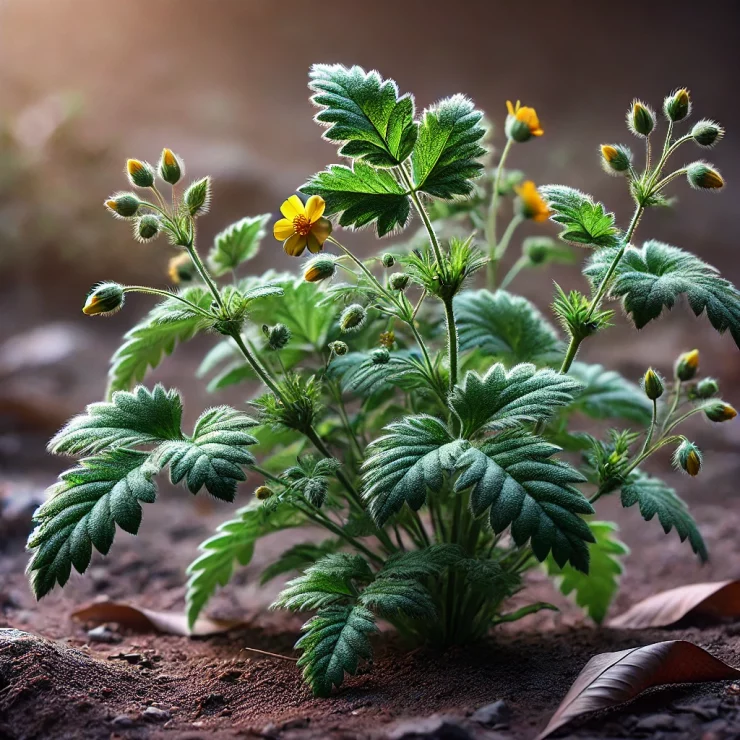
News

Caitlin Clark’s Stunning Figure Takes the Spotlight/th
Welcome back to Celeb Current. Today we’re talking about one of the most talked about athletes of the moment, Caitlyn Clark. Known for her incredible skills on…

1 MINUTE AGO: Caitlin Clark Made HEARTBREAKING ANNOUNCEMENT After Her QUAD INJURY! This is INSANE!/th
All right, so Caitlyn Clark, there’s been a lot going on with her lately. Khloe Peterson mentioned that they’re taking a long game approach to her injury….

Angel Reese had an absolutely terrible start to the season — it seems she no longer has what it takes to compete with Caitlin Clark. Her career is nearly over after being HUMILIATED ON LIVE TELEVISION in yet another disastrous loss — one of the WORST in WNBA history! And the person behind that humiliation? None other than her own teammate. Angel Reese is now reportedly considering walking away from the WNBA, leaving everyone in shock…/th
What an embarrassment. What an absolute embarrassment. Last night was further proof as to why people don’t watch pretend basketball. Last night was further proof as to…

Stephanie White FURIOUS With CORRUPT WNBA Referees After Indiana Fever Was CHEATED & Caitlin Clark Lost The coach also delivered a shocking message that will completely transform the Indiana Fever, warning that any team facing them next will feel the difference./th
I thought she got fouled. You know, I I think it’s pretty egregious what’s been happening to us the last few games. You know, a minus 31…

Angel Reese embarrassed herself after consecutive misses and sparks fans criticism/th
Angel Reese embarrassed herself after consecutive misses and sparks fans criticism marca.com Angel Reese faced a tough moment during the Chicago Sky?s game against the New York Liberty,…

Angel Reese Embarrasses Herself With Cringe Video, Needs To Get A Grip: WATCH/th
Angel Reese Embarrasses Herself With Cringe Video, Needs To Get A Grip: WATCH Angel Reese needs to throw her phone in a lake and forget it exists. The Chicago…
End of content
No more pages to load