A JUDGE has ruled against Elon Musk and Tesla in an autopilot lawsuit.
A Florida judge found “reasonable evidence” that Musk and other Tesla managers knew of defects in the company’s autopilot system but still allowed cars to use it.

Tesla is facing a setback as a Florida judge found ‘reasonable evidence’ that Musk and other managers manufactured cars with known autopilot defectsCredit: Getty

The judge in the lawsuit ruled that Tesla ‘engaged in a marketing strategy that painted the products as autonomous’Credit: Reuters
Judge Reid Scott, in the Circuit Court for Palm Beach County, ruled last week that the plaintiff in a lawsuit over a fatal autopilot crash could head to trial and bring damages claims against Tesla.
Those claims include intentional misconduct and gross negligence.
The ruling is a massive setback for Tesla who previously won two product liability trials in California regarding their autopilot system.
The lawsuit came about after a 2019 crash in Florida where Stephen Banner’s Model 3 drove under the trailer of an 18-wheeler, killing him.
Bryant Walker Smith, a University of South Carolina law professor, said the judge’s ruling and summary of evidence was significant as it shows “alarming inconsistencies” between what Tesla knew and what it said publicly.
“This opinion opens the door for a public trial in which the judge seems inclined to admit a lot of testimony and other evidence that could be pretty awkward for Tesla and its CEO,” Smith said to Reuters.
“And now the result of that trial could be a verdict with punitive damages.”
The judge in the lawsuit ruled that Tesla “engaged in a marketing strategy that painted the products as autonomous” and that Musk’s statements about autopilot “had a significant effect on the belief about the capabilities of the products.”
Judge Scott cited a 2016 video showing a Tesla driving without any human input as marketing for autopilot.
The video showed a disclaimer that a person was only in the driver’s seat for legal purposes and that “the car is driving itself.”
“Absent from this video is any indication that the video is aspirational or that this technology doesn’t currently exist in the market,” the judge wrote.
The judge also ruled that Banner’s wife should be permitted to argue that Tesla’s warnings in manuals and agreements were not sufficient.
“It would be reasonable to conclude that the Defendant Tesla through its CEO and engineers was acutely aware of the problem with the ‘Autopilot’ failing to detect cross traffic,” the judge wrote.
Scott compared the case to a “eerily similar” 2016 fatal crash involving Joshua Brown where autopilot failed to detect a crossing truck, leading the car to smash under it at high speed.
Lake “Trey” Lytal III, Banner’s attorney, said they are “extremely proud of this result based in the evidence of punitive conduct.”
News
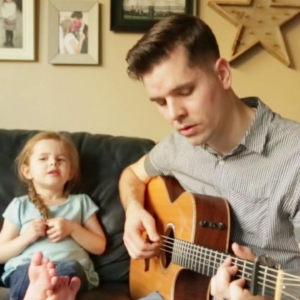
Dave Crosby, the individual who captured the attention of all three Voice Judges in record time. Watch his incredible performance – it’s truly astonishing!
From the moment he graced the stage, it was evident that a remarkable performance was about to unfold. As Dave serenaded the room, a captivating melody filled…
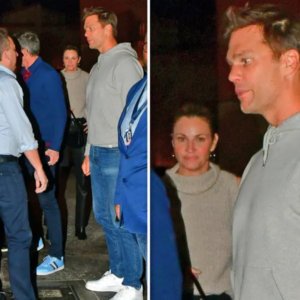
Tom Brady Sparks New Dating Rumors After Being Spotted Out At Dinner With Popular Sideline Reporter
Tom Brady has set off another wave of dating speculation following his brief romance with Irina Shayk. According to TMZ, the former NFL star was spotted out in Beverly…
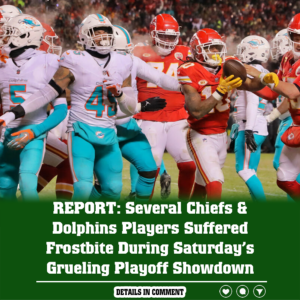
REPORT: Several Chiefs & Dolphins Players Suffered Frostbite During Saturday’s Grueling Playoff Showdown
Multiple players are said to have suffered frostbite during Saturday night’s playoff showdown between the Kansas City Chiefs and Miami Dolphins at Arrowhead Stadium. The game was the fourth-coldest in NFL…
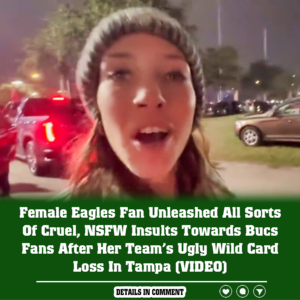
Female Eagles Fan Unleashed All Sorts Of Cruel, NSFW Insults Towards Bucs Fans After Her Team’s Ugly Wild Card Loss In Tampa (VIDEO)
A female Eagles fan went off on Buccaneers supporters after having to sit through a frustrating Wild Card fixture in which her team put just nine points…

Female Eagles Fan Unleashed All Sorts Of Cruel, NSFW Insults Towards Bucs Fans After Her Team’s Ugly Wild Card Loss In Tampa (VIDEO)
A female Eagles fan went off on Buccaneers supporters after having to sit through a frustrating Wild Card fixture in which her team put just nine points…
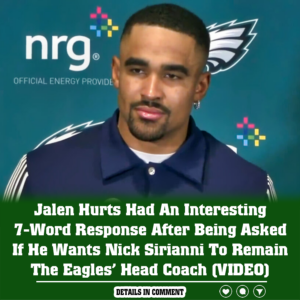
Jalen Hurts Had An Interesting 7-Word Response After Being Asked If He Wants Nick Sirianni To Remain The Eagles’ Head Coach (VIDEO)
Jalen Hurts has taken an exit at the first opportunity as his Eagles are out of the playoffs following a season in which they raced to 10-1 before…
End of content
No more pages to load